
Team building activities help coworkers connect beyond everyday tasks. They create space for communication, creativity, and shared problem-solving. When people interact in new settings, they often discover strengths that remain hidden during routine work.
A thoughtful activity encourages people to listen, exchange ideas, and support one another while working toward a shared outcome. These experiences often reveal how different personalities, skills, and perspectives contribute to stronger collaboration.
Read on to discover the team building activities that can help your team strengthen connections and work together more effectively.
Table of Contents
1. Outdoor Adventure Activities
Outdoor activities provide a refreshing break from the typical work setting. Many organizations include outdoor experiences when planning team building activities for work. A change of environment often encourages more open communication and active participation among colleagues.
The following activities help teams cooperate while staying engaged in a shared challenge:
- Group scavenger hunts: Teams receive clues that lead them to specific locations, objects, or checkpoints within a designated area. Participants discuss possible interpretations of each clue and decide which direction to take next. The activity keeps everyone involved since progress depends on shared ideas, observation skills, and coordinated movement across the course.
- Obstacle course challenges: Obstacle courses present physical tasks that require coordination, timing, and encouragement from teammates. Participants often guide one another through barriers, balance sections, or climbing elements. These challenges promote trust within the group because success depends on cooperation and support during each stage of the course.
- Navigation-based tasks: Map reading or direction-based challenges ask teams to plan a route toward specific destinations. Participants review landmarks, discuss possible paths, and track their progress along the way. This type of activity encourages strategic thinking while ensuring each member contributes to the group’s decisions.
Outdoor activities encourage cooperation through shared movement, planning, and teamwork in an open setting.
2. Escape Room Challenges
Escape rooms place small groups inside a themed setting filled with puzzles, clues, and hidden details. Teams must work through each challenge before time runs out, which keeps participants focused and involved.
Here are some reasons why this activity strengthens cooperation within a group:
- Shared problem-solving: Each puzzle requires careful observation, pattern recognition, or logical thinking. Some team members may spot hidden symbols, while others analyze codes or sequences. When participants share what they notice, the group gains a clearer picture of how different clues connect.
- Clear communication under time pressure: Clues often appear in separate parts of the room, which means people must report discoveries quickly and clearly. Participants explain what they find, compare ideas, and decide which clue deserves attention next. These exchanges help the group stay organized while the clock continues to run.
- Role distribution based on strengths: Teams often divide responsibilities as the activity unfolds. One person may focus on searching the room, another may track solved puzzles, and others may concentrate on decoding hints. This informal division of tasks helps the group work efficiently while allowing everyone to contribute.
Escape room challenges keep participants engaged while encouraging communication, observation, and cooperative thinking.
3. Volunteer Projects as a Team
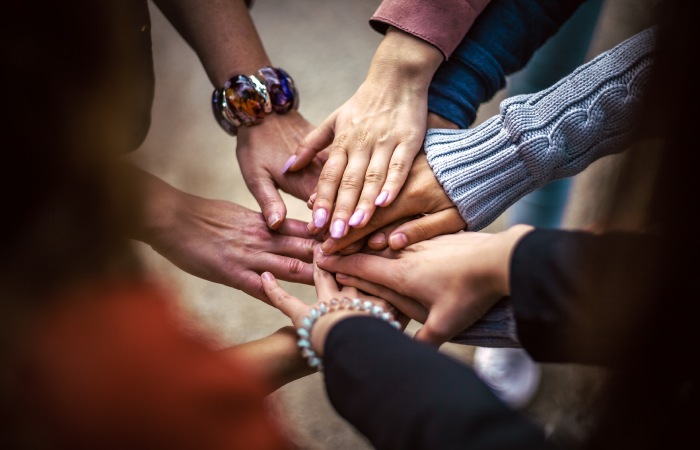
Community service provides a meaningful way for teams to collaborate while supporting a larger cause. When team members work together on projects that benefit others, they learn to rely on each other’s strengths and develop stronger team bonds. These activities help individuals connect beyond the usual work tasks, fostering trust and mutual respect.
In addition, volunteering encourages groups to focus on a shared objective, which naturally enhances team building. Tasks like organizing charity events or local cleanups require coordination and cooperation, giving everyone a role to contribute to the overall outcome. This collaborative effort strengthens communication and allows participants to understand how their actions impact the team’s success.
Furthermore, projects such as supporting food banks or community shelters boost employee engagement while promoting a sense of accomplishment. Working toward a tangible goal boosts pride and motivation among team members, highlighting the impact of team-building activities that blend purpose and collaboration.
4. Creative Workshops and Skill Sessions
Creative workshops offer a refreshing way for teams to step outside their usual routines and explore new skills together. Activities like cooking challenges, painting sessions, or music workshops encourage team members to collaborate in unique ways. These experiences let individuals contribute differently than they would in daily work tasks, opening the door to fresh perspectives.
Hands-on activities also strengthen team building by requiring planning and communication. Whether preparing a dish, completing a mural, or creating a rhythm, each person’s role directly impacts the group’s success. This shared responsibility builds trust and highlights individual strengths, while enhancing employee engagement through active participation.
Moving beyond practical skills, creative sessions spark conversation and inspire new ideas in a relaxed environment. Team building activities centered on imagination allow teams to connect in unexpected ways, deepening bonds and encouraging collaboration.
5. Office Game Tournaments
Office game tournaments inject energy into the workplace and give teams a chance to collaborate outside regular tasks. Trivia competitions, board game challenges, and puzzle races encourage participants to blend their knowledge, strategy, and creativity.
As the competition heats up, timed challenges push teams to communicate quickly and coordinate effectively. Each round requires adjustments, improvisation, and mutual support, helping colleagues appreciate each other’s strengths. These experiences also boost confidence, as groups see firsthand how collective effort leads to results.
Moreover, lighthearted rivalry energizes the office atmosphere while keeping stress low. Celebrating wins and participation alike reinforces inclusion and positivity. These tournaments leave team members feeling more connected and engaged, strengthening relationships that carry over into everyday work.
Final Thoughts
Unique team building activities help coworkers interact in ways that typical work routines rarely allow. Problem-solving games, outdoor challenges, volunteer projects, creative workshops, and friendly competitions each strengthen teamwork through different experiences. When organizations introduce varied activities, employees connect through shared accomplishments and memorable moments.